
DIY Plumbing Tips UK – Simple Home Fixes Every Homeowner Should Know
DIY plumbing tips UK homeowners search for are usually about saving money, fixing small issues quickly, and avoiding emergency repairs. Many plumbing problems start small. For example, a slow drain, a dripping tap, or low water pressure may not look serious at first. However, if ignored, these small issues can turn into expensive repairs.
This complete guide shares practical and safe DIY plumbing tips UK residents can use at home. The aim is simple — help you fix minor plumbing issues safely and understand when to call a professional.
Why DIY Plumbing Tips UK Are Important for Homeowners
Plumbing systems in UK homes work every single day. As a result, wear and tear is completely normal. Taps, toilets, boilers, showers, and drains all depend on proper water flow. Over time, wear and tear is normal.
Learning basic DIY plumbing tips can help UK homeowners in three important ways
- You save money on small repairs
- You prevent bigger damage
- You understand your home better
However, DIY should only be done for minor issues. Gas work and major pipe repairs must always be handled by professionals.
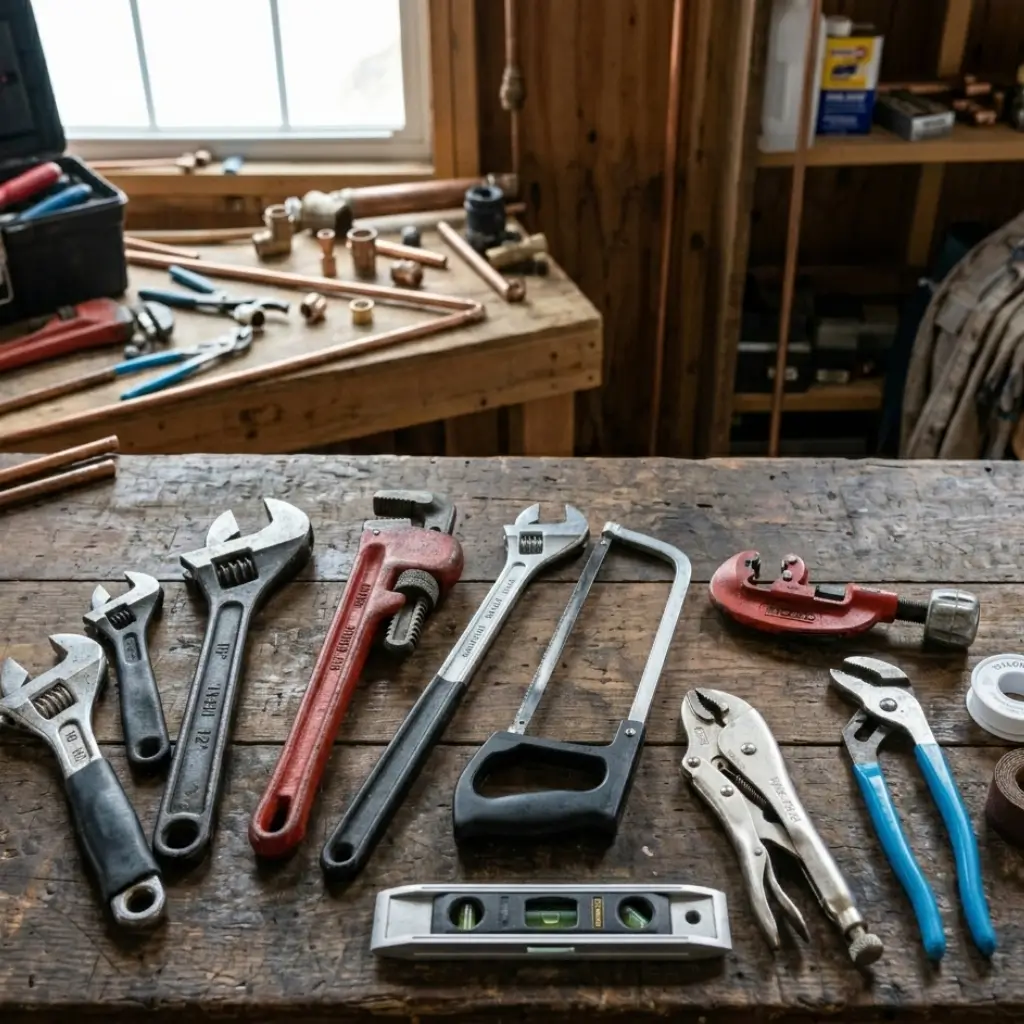
Basic Plumbing Tools Every UK Home Should Have
Before trying any DIY plumbing tips UK, you need some basic tools. These tools are affordable and useful for many small plumbing jobs. As a result, homeowners can handle minor repairs more easily.
Essential Tools List
- Adjustable spanner
- Plunger
- Pipe wrench
- Screwdrivers
- PTFE tape
- Bucket
- Drain snake
- Rubber gloves
Having these tools ready makes small plumbing jobs easier and safer.
Common Plumbing Mistakes Homeowners Make
Many plumbing problems in UK homes happen because of small daily mistakes. These issues may look minor at first. However, over time they can damage pipes, reduce water flow, and create expensive plumbing repairs.
Common mistakes homeowners should avoid
- Pouring grease or cooking oil into the sink
- Ignoring small tap leaks
- Using too many chemical drain cleaners
- Flushing unsuitable items down the toilet
- Delaying small plumbing repairs
Following simple DIY plumbing tips and avoiding common mistakes can keep your plumbing system working efficiently.
Fixing a Leaking Tap – Easy DIY Plumbing Tip UK
A leaking tap is one of the most common plumbing problems in UK homes. Therefore, fixing it early helps prevent water waste. The constant drip wastes water and increases your bill.
Common Causes of Tap Leaks
- Worn washer
- Damaged cartridge
- Loose fittings
How to Fix It
- Turn off the water supply
- Close the plug hole
- Remove the tap handle
- Replace the washer or cartridge
- Reassemble and test
This is one of the simplest DIY plumbing tips UK homeowners can try safely. If the leak continues after replacing parts, the issue may be deeper.
Unblocking a Sink – Safe DIY Plumbing Tips UK
Blocked sinks are very common in kitchens and bathrooms.
Kitchen sinks usually block due to -
- Grease
- Food waste
- Soap build-up
Bathroom sinks block because of -
- Hair
- Toothpaste
- Soap residue
How to Unblock a Sink -
- Use a plunger first
- Remove and clean the U-bend
- Use a drain snake if needed
- Avoid harsh chemicals
One of the best DIY plumbing tips UK homeowners should follow is never pour grease into sinks.
If blockages keep coming back, the problem may be deeper in the drainage system. In many cases, simple tools like a plunger can solve the problem quickly.

DIY Plumbing Tips for Fixing Low Water Pressure
Low water pressure is frustrating. In many homes, this problem appears suddenly. Showers become weak, and taps run slowly.
Possible Causes -
- Blocked aerator
- Mineral build-up
- Hidden leak
- Valve issue
Quick Checks You Can Do -
- Clean the tap aerator
- Check stop valve position
- Inspect visible pipes for leaks
If pressure drops across the whole house, it may need professional inspection.
These simple plumbing tips are helpful here, but major pressure issues require expert help.
Fixing a Running Toilet
A running toilet wastes a large amount of water every day. Therefore, fixing the issue early helps reduce water bills.
Causes of Running Toilet -
- Faulty flapper valve
- Broken float
- Fill valve issue
DIY Fix Steps -
- Remove the toilet tank lid
- Check flapper seal
- Adjust float level
- Replace faulty parts
This is another simple DIY plumbing tip UK homeowners can apply easily.
Preventing Frozen Pipes – Important Plumbing Tips for UK Homes
Cold weather puts pressure on UK plumbing systems. Frozen pipes can burst and cause serious damage.
Signs of Frozen Pipes -
- No water flow
- Frost on pipe
- Strange smell from tap
Prevention Tips -
- Insulate exposed pipes
- Keep heating on low during cold nights
- Open cabinet doors under sinks
One of the most important plumbing maintenance tips homeowners should remember is prevention is always cheaper than repair.

Boiler Pressure Checks at Home
Boilers are essential in UK homes. While repairs must be done by professionals, you can monitor pressure safely.
How to Check Boiler Pressure -
- Look at pressure gauge
- Normal reading is usually between 1 and 2 bars
- If too low, system may need repressurising
Never attempt internal boiler repairs yourself. Always contact a Gas Safe registered engineer for gas-related work.
DIY Plumbing Tips for Detecting Hidden Leaks
Regular plumbing maintenance helps prevent many common problems. Therefore, simple checks throughout the year are very important.
Common Signs of Hidden Water Leaks
- Damp patches on walls
- Mould smell
- Higher water bills
- Water stains on ceilings
If you suspect a hidden leak, turn off water and monitor your meter. If it still moves, you may have a leak.
DIY plumbing tips UK are useful for detection, but major leak repair needs professional tools. Because of this, it is important to check for warning signs early.
Signs Your Plumbing System Needs Inspection
Sometimes plumbing problems are not immediately visible. However, there are several warning signs that show your plumbing system may need inspection.
Common signs your plumbing system may need inspection
- Sudden drop in water pressure
- Unusual noises from pipes
- Unexpected increase in water bills
- Damp patches on walls or ceilings
- Mould or musty smell
- Slow draining sinks or showers
Following these simple maintenance checks and DIY plumbing tips can help UK homeowners keep their plumbing system in good condition.
Monthly Plumbing Maintenance Checklist
Following simple maintenance reduces plumbing emergencies.
Monthly Checks -
- Inspect under sinks
- Test water pressure
- Check taps for drips
- Clean drain covers
- Look for damp spots
Seasonal Checks -
- Insulate pipes before winter
- Service boiler annually
- Check outdoor taps
Adding routine checks is one of the smartest DIY plumbing tips UK homeowners can follow.In addition, regular checks can help detect problems before they become serious.
Simple Plumbing Maintenance Tips for UK Homes
Regular plumbing maintenance helps prevent many common plumbing problems in UK homes. Simple checks done throughout the year can keep your plumbing system working efficiently and reduce the risk of costly repairs.
Daily and Monthly Plumbing Checks
- Check taps regularly for small leaks
- Clean sink and shower drain covers
- Avoid pouring grease or oil into sinks
- Inspect pipes under sinks
Seasonal Plumbing Maintenance Tips
- Insulate exposed pipes before winter
- Check boiler pressure regularly
- Test water pressure occasionally
- Schedule annual boiler servicing
Regular maintenance helps homeowners detect small plumbing problems early. As a result, it reduces the chances of major plumbing emergencies and keeps the home plumbing system running smoothly.
When DIY Plumbing Tips UK Are Not Enough to Fix the Problem
Some plumbing problems should never be handled alone.
Call a Professional If
- Pipe bursts
- Boiler stops working
- Gas smell detected
- Repeated drain blockages
- Major leak from walls
Trying to fix complex issues yourself may increase damage and cost.
Cost Savings from DIY Plumbing
Small DIY plumbing tips UK homeowners apply can save money long term.
For example -
| Problem | DIY Cost | Professional Cost |
|---|---|---|
|
Tap Washer |
£5–£10 |
£60+ |
|
Sink Block |
£10 tool |
£80+ |
|
Toilet Flapper |
£10–£15 |
£90+ |
These small savings add up over time.
Safety Tips for DIY Plumbing Work
Always follow safety guidelines -
- Turn off water before repair
- Use gloves
- Avoid mixing chemicals
- Never touch gas systems
- Keep tools dry
Safety should always come first.
Quick DIY Plumbing Tips Summary
If you want to prevent common plumbing problems at home, follow these simple tips -
- Fix leaking taps early
- Avoid pouring grease in sinks
- Check pipes regularly
- Insulate pipes before winter
Following these simple DIY plumbing tips can help homeowners reduce plumbing emergencies and avoid costly repairs.
Final Advice for UK Homeowners
DIY plumbing tips UK homeowners follow can prevent stress and save money. Small actions like fixing a leak early or insulating pipes before winter make a big difference.
However, it is important to understand your limits. Therefore, complex plumbing problems should always be handled by experienced professionals.
By following the DIY plumbing tips UK shared in this guide, you reduce the risk of emergencies and protect your home from water damage.
If you want to understand professional repair costs, you can also read our Plumbing Cost Guide UK page for detailed information.
Frequently Asked Questions (FAQ)
Many small plumbing problems can be fixed at home without professional help. Common DIY plumbing tips UK homeowners follow include fixing a leaking tap, unblocking a sink, cleaning a tap aerator to improve water pressure, and replacing a toilet flapper valve. These repairs usually require basic tools and simple steps. However, problems involving gas appliances, boilers, or major pipe leaks should always be handled by a qualified plumber for safety reasons.
Yes, DIY plumbing is allowed for minor repairs in most UK homes. Tasks such as replacing tap washers, unblocking drains, or checking visible leaks are safe to handle yourself. However, any work related to gas boilers or heating systems must be done by a Gas Safe registered engineer. Attempting complex plumbing work without proper training can cause damage or safety risks.
Learning basic DIY plumbing tips UK homeowners use can reduce repair costs. Small issues like leaking taps, blocked sinks, or running toilets can often be fixed with inexpensive replacement parts. Fixing these problems early prevents larger plumbing failures that could require expensive professional repairs later.
Basic plumbing repairs usually require simple tools that most homeowners can keep at home. Useful tools include an adjustable spanner, plunger, pipe wrench, screwdrivers, PTFE tape, and a drain snake. These tools help handle common plumbing problems like blocked drains, leaking taps, and loose pipe fittings.
Although DIY plumbing tips UK are helpful for minor repairs, some situations require professional help. You should contact a plumber if a pipe bursts, the boiler stops working, water pressure drops suddenly across the whole house, or you notice a major leak behind walls. Professional plumbers have the training and tools needed to fix complex plumbing problems safely.
Experts recommend checking plumbing systems at least once a year. Regular inspection helps identify leaks, pressure problems, and worn components early. Homeowners can also perform simple checks monthly, such as looking under sinks for leaks and testing water pressure.
Yes, hard water is common in many parts of the UK and can cause mineral build-up inside pipes and taps. Over time, this build-up reduces water flow and may damage appliances like boilers and washing machines. Installing a water softener or regularly cleaning tap aerators can help reduce hard water effects.